
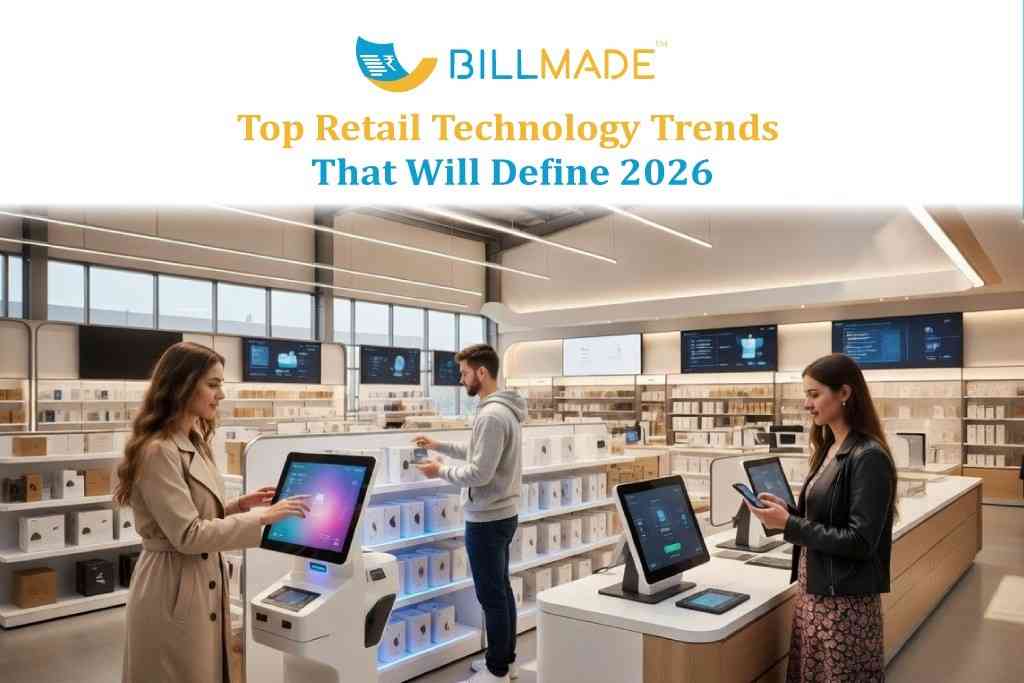
Retail is stepping into a new era where technology is no longer optional. Consumer expectations are shifting fast. Retailers are investing in smarter tools to keep up, which improve efficiency and enhance customer experience. Several key technologies will shape the way modern retail businesses operate.
Key benefits
The following are the essential benefits.
- Better decision-making
Advanced analytics, as well as AI tools, help retailers understand customer behavior and sales trends with demand patterns. It enables smarter planning along with accurate forecasting in addition to data-driven business strategies.
- Automation
Automated systems streamline building and inventory updates. They also order processes and reporting. It saves time. It also allows staff to focus on customer service and business growth.
- Customer personalization
Modern technologies can analyse purchase history and preferences to deliver tailored recommendations and targeted promotions, added with customized shopping experiences. Improves customer satisfaction with loyalty and repeated purchases.
Key features
The following are some essential key features.
- AI analytics
Retailers now use AI tools to study behaviour and customer preferences as well as seasonal demand patterns. The insights help businesses make better decisions about pricing and promotions, along with inventory planning.
AI can also predict future trends. It reduces the risk of empty shelves or excess inventory. AI-powered remediation engines personalize the shopping journey by suggesting products, customers are more likely to buy.
- IoT devices
The Internet of Things is transforming store operations through connected devices and servers. RFID tags and smart shelves allow retailers to track inventory levels automatically. The real-time tracking eliminates the need for manual stock checks and reduces inventory errors.
- Omnichannel integration
Modern consumers rarely shop through a single channel. A customer may browse products on a smartphone and compare prices online, as well as finally visit a store to complete the purchase. Omnichannel retail ensures that all these outlets work together seamlessly.
- Automation and smart POS
Automation is another major technology trend shaping retail operations. Smart point of sale systems now perform far more than simple billing tasks. They generate detailed sales reports along with tracking inventory in real-time and managing loyalty programs automatically.
Technical challenges
Here are some technical challenges that can be easily addressed.
- High implementation cost
Adopting advanced retail technologies often requires significant upfront investment in software and hardware upgrades in addition to system integration and maintenance. Smaller retailers may find it challenging to budget while balancing operational costs and growth.
- Staff training
New retail technologies require employees to learn updated systems and processes. Adoption becomes slow. Productivity drops and businesses must invest time and resources in continuous staff education when there is no proper training.
Final words
Businesses require more intelligent billing solutions in a retail environment that is changing quickly. BillMade provides a cutting-edge point of sale system with seamless integration, speed and accuracy. BillMade assists merchants in streamlining operations and improving customer experience, along with confidence in the contemporary digital retail environment through real-time reporting, automated billing and GST-ready capabilities.
FAQs
1. Which retail technologies are trending in 2026?
Among the cutting-edge technologies changing how retailers handle sales data insights and customer experiences are artificial intelligence, analytics, cloud-based point of sale systems, IoT enabled inventory tracking, automated checkout and omnichannel retail platforms.
2. How does AI help retailers improve customer experience?
In order to make product recommendations, tailor promotions and forecast demand, artificial intelligence (AI) examines past purchases and buying patterns. This facilitates quicker service, more pertinent offers and improved inventory management for shops.
3. Why is omnichannel integration crucial for retailers?
Omnichannel integration unifies mobile platforms, physical stores and online stores into a single system. While businesses effectively handle inventory orders and customer data, customers enjoy flawless shopping experiences.
BillMade Social Media Links:
18 Comments
Comments are closed.
cenforce 100mg dosage
vidalista 40 mg bestellen
vardenafil price philippines
stendra cheap
dog antibiotics doxycycline side effects
do doxycycline and alcohol interact
acyclovir cream brand names
minoxidil 2% vs 5% for men
minoxidil clinical research
minoxidil male treatment overview
minoxidil duration study
vardenafil 10 mg overview
molecular mechanism of PDE5 inhibition
vardenafil warning guidance
orlistat fat intake interaction
sinusitis congestion symptoms
TadalafilCentral product guide
learn about tadalafil brands in India